
Your Health, Our Priority
Knee Joint Swelling: Common Causes and Knee Treatment in Punjab
- January 3, 2026
- Kohli Hospital
- Share Post:
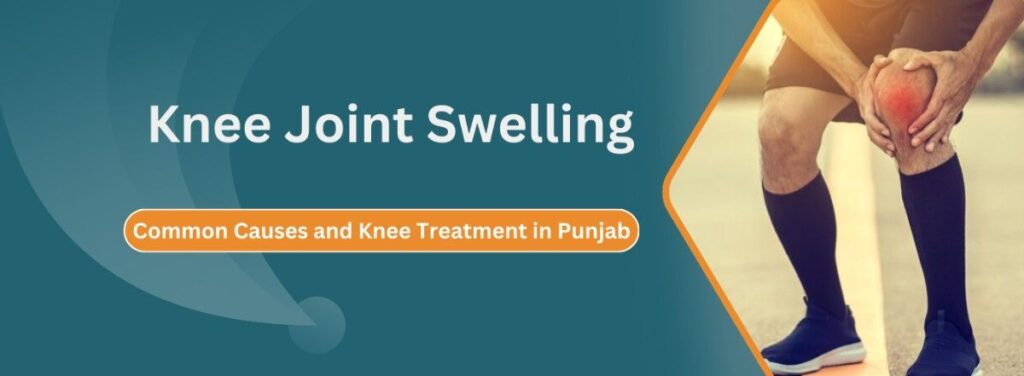
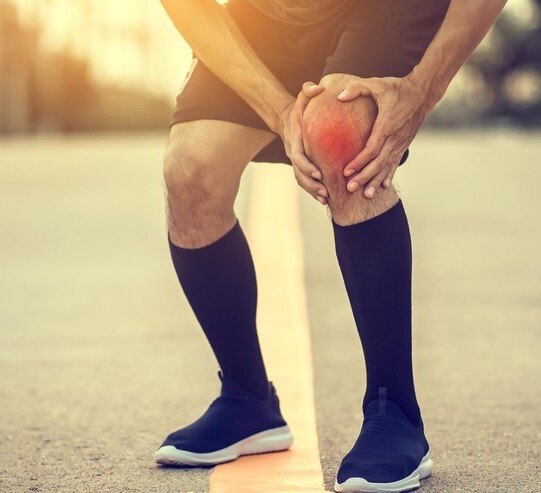
Knee joint swelling is one of the most frequent aching pain problems affecting people of all age groups. Whether it develops suddenly after an injury or gradually due to an underlying condition, knee swelling can significantly interfere with daily activities such as walking, climbing stairs, exercising, or even sitting comfortably. Many people search online to understand knee swelling causes, knee inflammation, or water on the knee treatment, especially when the swelling persists or keeps recurring.
Understanding Knee Joint Swelling
Knee joint swelling occurs when excess fluid builds up in or around the knee joint. This condition is medically referred to as knee effusion. The knee is a complex joint made up of bones, cartilage, ligaments, tendons, and synovial fluid. When any of these structures are irritated, injured, or inflamed, the body responds by producing extra fluid, leading to visible swelling.Knee Inflammation vs Knee Swelling
Although often used interchangeably, knee inflammation and knee swelling are not exactly the same:
-
Knee inflammation refers to irritation of joint tissues caused by injury, infection, autoimmune conditions, or overuse.
-
Knee swelling is the physical result of inflammation, characterized by fluid accumulation.
Most patients with knee swelling also have some degree of inflammation, even if pain is minimal.
Common Knee Swelling Causes
There are multiple reasons why the knee may swell. Identifying the underlying cause is crucial for choosing the correct knee treatment.
1. Osteoarthritis (Degenerative Joint Disease)
Osteoarthritis is one of the most common knee swelling causes, particularly in middle-aged and older adults. It occurs due to gradual wear and tear of cartilage, which leads to friction between bones and irritation of the joint lining.
Symptoms may include:
-
Knee swelling after walking or standing
-
Morning stiffness
-
Swelling on the side of the knee
-
Reduced range of motion
Osteoarthritis-related swelling often worsens with activity and improves with rest.
2. Injury or Trauma
Acute injuries are a major cause of sudden knee swelling. These injuries may result from sports, falls, or accidents and can affect ligaments, cartilage, or bones.
Common injury-related causes include:
-
Ligament tears (ACL, PCL, MCL)
-
Meniscus tears
-
Bone bruises or fractures
In such cases, the knee may become swollen and hot, painful, and unstable.
3. Water on the Knee (Knee Effusion)
One of the most commonly searched terms related to knee problems is water on the knee treatment. This condition refers to excessive fluid accumulation within the knee joint.
What causes fluid on the knee?
-
Trauma or injury
-
Arthritis (osteoarthritis or rheumatoid arthritis)
-
Infection
-
Gout or pseudogout
-
Repetitive strain or overuse
People with water on the knee often feel tightness, difficulty bending the knee, and visible puffiness around the joint.
4. Swollen Knee with No Pain
A swollen knee with no pain may seem harmless, but it should not be ignored. Painless swelling can be a sign of early-stage joint disease or a mild inflammatory condition.
Possible causes include:
-
Early osteoarthritis
-
Mild bursitis
-
Fluid retention
-
Low-grade inflammation
-
Old injury flare-ups
Even without pain, persistent swelling requires medical evaluation to prevent progression.
5. Swelling on the Side of the Knee
Swelling on the side of the knee often points toward localized problems rather than whole-joint issues.
Common causes include:
-
Meniscus tears
-
Ligament strain
-
Localized arthritis
-
Bursitis
This type of swelling may be accompanied by tenderness or difficulty with side-to-side movements.
6. Swelling Below the Knee
Swelling below the knee may not originate from the knee joint itself but from surrounding structures.
Potential causes include:
-
Patellar tendonitis
-
Infrapatellar bursitis
-
Shin bone stress injuries
-
Circulatory or lymphatic issues
Proper diagnosis is essential to ensure correct treatment.
7. Female Swollen Knee – Special Considerations
A female swollen knee often requires special attention due to hormonal, anatomical, and nutritional factors.
Common causes in women include:
-
Osteoarthritis after menopause
-
Calcium and vitamin D deficiency
-
Rheumatoid arthritis
-
Obesity-related joint stress
Women are also more prone to autoimmune joint diseases, which can cause chronic knee inflammation and swelling.
8. Knee Swollen and Hot – A Warning Sign
A knee that is swollen and hot to touch may indicate infection or severe inflammation.
Possible causes include:
-
Septic arthritis
-
Severe inflammatory arthritis
-
Acute gout attack
If swelling is associated with redness, fever, or severe pain, immediate medical attention is required.
Knee Treatment Options
Treatment for knee joint swelling depends on the underlying cause, severity, age, and activity level of the patient.
1. Conservative (Non-Surgical) Treatment
Most cases of knee swelling respond well to conservative management.
Rest and Activity Modification
Avoid excessive walking, running, or squatting
Use supportive footwear
Ice and Compression
Ice packs reduce knee inflammation
Compression bandages help control swelling
Medications
Pain relievers
Anti-inflammatory medications
Supplements for joint health
2. Physiotherapy and Rehabilitation
Physiotherapy is one of the most effective long-term knee treatment options.
Benefits include:
Strengthening surrounding muscles
Improving joint stability
Reducing recurrence of knee swelling
Enhancing flexibility and balance
A structured exercise program can significantly improve outcomes.
3. Water on the Knee Treatment (Aspiration)
In cases of severe fluid buildup:
Excess fluid may be removed using a sterile needle
Provides immediate relief
Helps identify infection or crystal-related diseases
This procedure is often combined with medication and rest.
4. Injection-Based Treatments
Corticosteroid injections reduce inflammation
Hyaluronic acid injections improve lubrication in arthritic knees
These treatments can provide relief for several months.
5. Surgical Treatment
Surgery is recommended only when non-surgical treatments fail.
Options include:
Arthroscopy (minimally invasive)
Ligament reconstruction
Partial or total knee replacement
Advances in orthopedic surgery have made recovery faster and safer.
Experiencing Knee Joint Pain or Swelling?
Consult our expert doctor today for accurate diagnosis and personalized knee joint treatment. Early care can prevent long-term damage—book your appointment now.
📞 Consult today for safe, effective knee joint treatment.
FAQs About Knee Joint Swelling & Treatment
The most common knee swelling causes include:
Osteoarthritis (wear and tear of cartilage)
Knee injury or trauma
Ligament or meniscus tears
Knee inflammation due to overuse
Water on the knee (knee effusion)
Infections or gout
Rheumatoid arthritis
Identifying the exact cause is essential for effective knee joint treatment.
If you are wondering what causes fluid on the knee, the reasons may include:
Injury or repetitive strain
Osteoarthritis or rheumatoid arthritis
Infection inside the knee joint
Gout or crystal deposition
Bursitis or synovitis
Fluid buildup is commonly referred to as “water on the knee” and may cause visible swelling and restricted movement.
Water on the knee treatment depends on the underlying cause and severity. Common treatment options include:
Rest, ice, and compression
Anti-inflammatory medications
Physiotherapy
Knee joint aspiration (removal of excess fluid)
Injection therapy in chronic cases
Early treatment helps relieve pressure, reduce swelling, and prevent recurrence.
A knee swollen and hot is often a warning sign of significant inflammation or infection. Common causes include:
Septic arthritis
Acute gout attack
Severe inflammatory arthritis
Recent injury with inflammation
If warmth is accompanied by redness, fever, or severe pain, immediate medical consultation is necessary.
A female swollen knee may occur due to:
Hormonal changes, especially after menopause
Osteoarthritis
Calcium or vitamin D deficiency
Rheumatoid arthritis
Obesity-related joint stress
Women are more prone to autoimmune joint conditions, making early diagnosis and treatment important.
Book Appointment
Specialities
Posted onTrustindex verifies that the original source of the review is Google. 👎👎👎👎👎👎 bad servicePosted onTrustindex verifies that the original source of the review is Google. One of the best hospital in our area is Kohli hospitalPosted onTrustindex verifies that the original source of the review is Google. One of the best hospital in our area is kohli hospitalPosted onTrustindex verifies that the original source of the review is Google. Kohli hospital is the one of the best hospital in our area rather than otherPosted onTrustindex verifies that the original source of the review is Google. One of the best hospital in our area is kohli hospitalPosted onTrustindex verifies that the original source of the review is Google. Kohli hospital is one of the best hospital in our areaPosted onTrustindex verifies that the original source of the review is Google. Kohli hospital is one of the best medical center around our area. It's Doctors and staff are very carring by naturePosted onTrustindex verifies that the original source of the review is Google. One of the best hospital in our surrounding rather than others while, doctors and staff also very carring and coprative by naturePosted onTrustindex verifies that the original source of the review is Google. Kohli hospital is the one of the best hospital in our surroundings rather than othersPosted onTrustindex verifies that the original source of the review is Google. Kholi hospital is the best hospital in our surrounding. Staff and doctor's very compative and carryingVerified by TrustindexTrustindex verified badge is the Universal Symbol of Trust. Only the greatest companies can get the verified badge who has a review score above 4.5, based on customer reviews over the past 12 months. Read more