
Your Health, Our Priority
What is Hernia? Types and Surgical Treatment Options
- January 30, 2026
- Kohli Hospital
- Share Post:
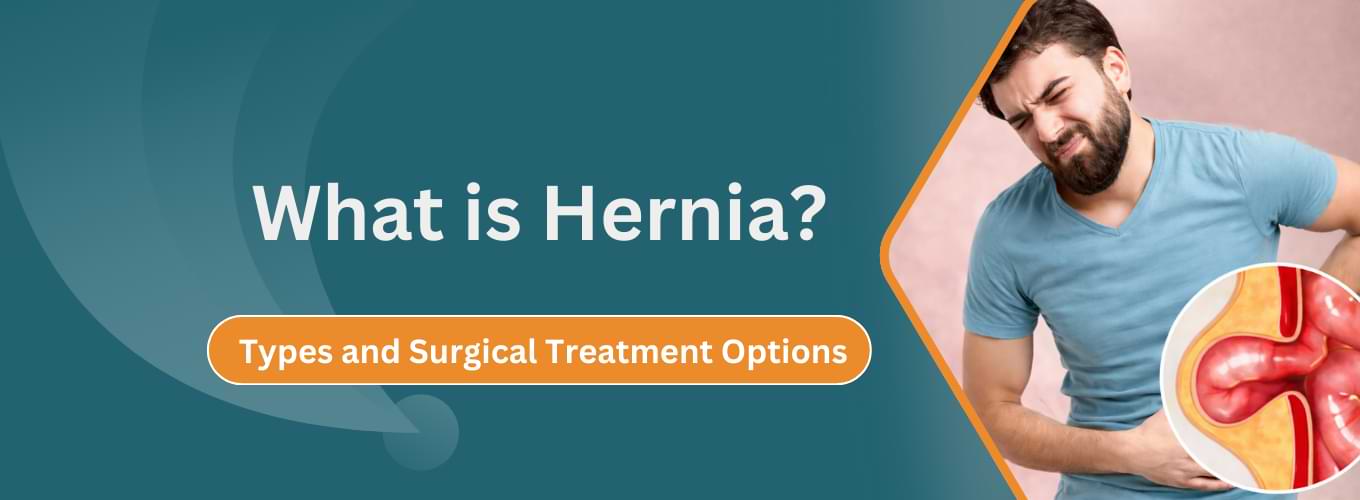
A hernia is a medical condition in which an internal organ, fatty tissue, or part of the intestine pushes through a weakened area of muscle or connective tissue. Hernias are common across all age groups and can affect both men and women. Although some hernias may initially cause mild discomfort, they tend to worsen over time and often require surgical intervention for permanent treatment. Understanding the different types of hernias and the available surgical treatment options is essential for early diagnosis and effective management.
What Is a Hernia?
A hernia occurs when internal pressure forces tissue to protrude through a weak spot in the abdominal wall or muscle layer. This weakness may be present at birth or develop due to aging, injury, surgery, obesity, or repeated strain. Hernias often present as a visible bulge that becomes more noticeable during activities such as coughing, lifting heavy objects, or standing for long periods.
What are the early symptoms of a hernia?
Early symptoms of a hernia usually include a visible or palpable bulge in the affected area, discomfort or pain while lifting heavy objects, coughing, or standing for long periods. Some people may also experience a feeling of pressure, heaviness, or burning at the site of the hernia. Identifying these symptoms early helps in timely surgical treatment and prevents complications.
Types of Hernias
Inguinal Hernia
An inguinal hernia is the most common type of hernia and occurs in the groin area when part of the intestine or abdominal tissue pushes through the inguinal canal. This condition is more frequently seen in men due to anatomical differences in the groin region. Patients often notice a bulge on one or both sides of the groin, accompanied by pain or discomfort, especially during physical activity, bending, or lifting.
Femoral Hernia
A femoral hernia develops when tissue protrudes through the femoral canal, located just below the groin. Although less common than inguinal hernias, femoral hernias occur more frequently in women, particularly those who are pregnant or overweight. These hernias may appear as a small lump near the upper thigh and can cause discomfort or pain. Femoral hernias carry a higher risk of strangulation, making early surgical treatment crucial to avoid life-threatening complications.
Umbilical Hernia
An umbilical hernia forms near the belly button when part of the intestine pushes through the abdominal wall. This type of hernia is common in infants and often resolves on its own within the first few years of life. In adults, umbilical hernias may develop due to obesity, pregnancy, or increased abdominal pressure. Adults with umbilical hernias usually require surgical repair, especially if the hernia enlarges or becomes painful over time.
Hiatal Hernia
A hiatal hernia occurs when the upper part of the stomach moves upward into the chest cavity through an opening in the diaphragm. Unlike other hernias, hiatal hernias may not present with a visible bulge. Instead, they commonly cause symptoms such as acid reflux, heartburn, chest pain, and difficulty swallowing. While mild cases can be managed with lifestyle changes and medication, severe or persistent symptoms may require surgical correction to restore normal anatomy and prevent complications.
Incisional Hernia
An incisional hernia develops at the site of a previous surgical incision when the abdominal muscles fail to heal properly. This type of hernia may occur weeks, months, or even years after surgery. Risk factors include obesity, poor nutrition, infection at the surgical site, and excessive physical strain during recovery.
When Is Hernia Surgery Necessary?
Hernias do not resolve without treatment, and surgery is the only definitive cure. Surgical intervention is recommended when the hernia causes pain, increases in size, or interferes with daily activities. Immediate surgery is required if the hernia becomes incarcerated or strangulated, as this can cut off blood supply to the affected tissue.
Surgical Treatment Options for Hernia
Open Hernia Surgery
Open hernia repair is a traditional surgical method in which a single incision is made near the hernia site. The protruding tissue is placed back into position, and the weakened muscle area is reinforced, often using surgical mesh. Open surgery is commonly used for large, complex, or strangulated hernias. Although recovery time is longer compared to minimally invasive procedures, open hernia surgery remains a safe and effective treatment option.
Laparoscopic Hernia Surgery
Laparoscopic hernia repair is a minimally invasive technique that uses small incisions, a camera, and specialized instruments to repair the hernia. This method results in less postoperative pain, reduced scarring, and faster recovery. Laparoscopic surgery is especially beneficial for patients with bilateral hernias or recurrent hernias. Most patients can return to normal activities within one to two weeks following this procedure.
Robotic Hernia Surgery
Robotic-assisted hernia surgery is an advanced form of minimally invasive surgery that allows surgeons to perform highly precise repairs using robotic technology. This approach provides enhanced visualization and flexibility, making it ideal for complex or recurrent hernias. Robotic hernia repair offers faster healing, minimal blood loss, and lower recurrence rates, with many patients discharged the same day.
Consult the Best General & Laparoscopic Surgery Specialist in Dhariwal, Punjab
If you or your loved one is experiencing symptoms of a hernia, don’t delay treatment. Early diagnosis and advanced surgical care can prevent complications and ensure faster recovery.
Consult our experienced General & Laparoscopic Surgery Specialist in Dhariwal, Punjab for safe, effective, and minimally invasive hernia treatment.
We offer personalized care, advanced laparoscopic techniques, and proven surgical outcomes to help you return to a pain-free life.
📞 Book your consultation today and take the first step toward hernia-free health.
Frequently Asked Questions (FAQs) – Hernia and Hernia Surgery in Dhariwal, Punjab
No, a hernia cannot heal on its own. While lifestyle changes or medications may temporarily relieve symptoms, surgery is the only permanent treatment for hernia.
The safety of hernia surgery depends on the hernia type, size, and patient health. Laparoscopic hernia surgery and robotic hernia repair are considered very safe and effective, offering less pain, smaller incisions, and faster recovery compared to open surgery.
Recovery time varies depending on the surgical method. Most patients who undergo laparoscopic hernia repair return to normal activities within 1–2 weeks, while open hernia surgery may take 4–6 weeks. Following post-operative instructions ensures faster and safer recovery.
An untreated hernia can become incarcerated or strangulated, cutting off blood supply to the affected tissue. This can lead to severe pain, infection, and life-threatening complications. Early surgical intervention is strongly recommended to avoid emergencies.
You should consult a surgeon as soon as you notice a bulge, pain, or discomfort in the abdomen or groin. Early consultation allows for timely treatment and prevents complications.
Book Appointment
Specialities
Posted on GoogleTrustindex verifies that the original source of the review is Google. 👎👎👎👎👎👎 bad servicePosted on GoogleTrustindex verifies that the original source of the review is Google. One of the best hospital in our area is Kohli hospitalPosted on GoogleTrustindex verifies that the original source of the review is Google. One of the best hospital in our area is kohli hospitalPosted on GoogleTrustindex verifies that the original source of the review is Google. Kohli hospital is the one of the best hospital in our area rather than otherPosted on GoogleTrustindex verifies that the original source of the review is Google. One of the best hospital in our area is kohli hospitalPosted on GoogleTrustindex verifies that the original source of the review is Google. Kohli hospital is one of the best hospital in our areaPosted on GoogleTrustindex verifies that the original source of the review is Google. Kohli hospital is one of the best medical center around our area. It's Doctors and staff are very carring by naturePosted on GoogleTrustindex verifies that the original source of the review is Google. One of the best hospital in our surrounding rather than others while, doctors and staff also very carring and coprative by naturePosted on GoogleTrustindex verifies that the original source of the review is Google. Kohli hospital is the one of the best hospital in our surroundings rather than othersPosted on GoogleTrustindex verifies that the original source of the review is Google. Kholi hospital is the best hospital in our surrounding. Staff and doctor's very compative and carryingVerified by TrustindexTrustindex verified badge is the Universal Symbol of Trust. Only the greatest companies can get the verified badge who has a review score above 4.5, based on customer reviews over the past 12 months. Read more